You stare into the fridge at 6:15 PM on a Tuesday. Between soccer practice drop-offs, homework help, and a mounting stack of bills, the last thing you want to do is start dinner from scratch. Ordering takeout costs forty bucks you didn't budget for, and letting that package of chicken breasts turn gray in the crisper drawer feels like throwing cash straight into the trash. American households waste billions of dollars every year on spoiled groceries, mostly because weeknight cooking fatigue makes us throw in the towel.
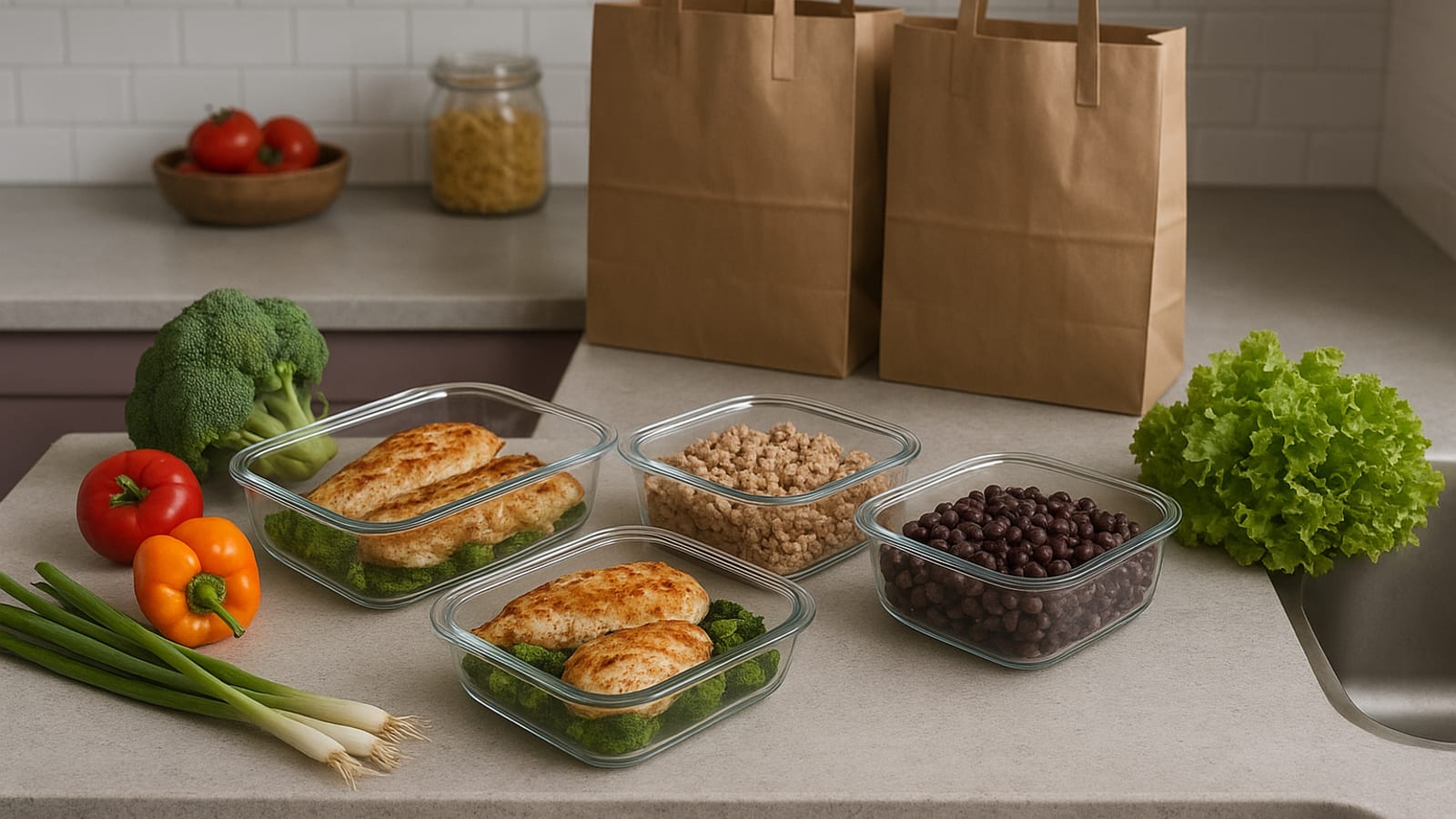
The secret to beating this cycle isn't spending hours every Sunday cooking complicated recipes that nobody eats. It's budget meal prep protein batching. By cooking large batches of neutral, versatile proteins ahead of time, you create building blocks for the entire week. You save money at the checkout lane, stop tossing spoiled food, and get dinner on the table in ten minutes flat. You can also explore more Practical Meal Prep & Budget Grocery Planning tips to refine your kitchen routine even further.
Year-at-a-Glance
- Spring: Lean poultry and eggs for light, budget-friendly weeknight bowls.
- Summer: Slow-cooker shredded pork and bulk beef for quick, heat-free dinners.
- Fall: Hearty baked chicken thighs and turkey chili bases for busy school nights.
- Winter: Budget beef chuck roasts and dried beans cooked in large batches for stews.
Spring (March–May)
Spring brings a welcome break from heavy winter casseroles, but busy family schedules often ramp up with sports and end-of-school events. Grocery prices tend to fluctuate during these months as the seasons shift. This is the ideal time to focus on affordable weekly grocery planning strategy by stocking up on bulk chicken breasts or pork tenderloins when they go on sale. You want to keep your seasonings neutral—think salt, pepper, garlic powder, and onion powder—so the meat can morph into tacos on Tuesday and grain bowls on Wednesday.
- Roast four pounds of plain chicken breast on a large sheet pan using olive oil, salt, and pepper.
- Shred the meat once cooled and store it in an airtight glass container for up to four days.
- Use half for quick chicken quesadillas and the rest for a green salad lunch.
- Pair your grocery haul with budgeting tools from the Consumer Financial Protection Bureau tools to track your monthly food spending accurately.
Summer (June–August)
Summer means kids are out of school, utilities might be creeping up due to the air conditioning, and you definitely don't want to heat up the house by running the oven for hours. Instead, pull out your slow cooker or pressure cooker. Buying family packs of ground turkey or pork shoulder saves serious money. When you stretch grocery items into multiple meals, you protect your bank account from the summer cash crunch.
- Cook a five-pound pork shoulder in the slow cooker with simple broth and garlic until it falls apart.
- Portion the shredded pork into meal-sized bags and freeze half for later in the month.
- Serve fresh carnitas on Monday night, and toss the leftovers into fried rice on Wednesday.
- Keep your household finances secure by checking consumer guidance from the Federal Trade Commission consumer advice to avoid common online grocery scams and fake coupon deals.
Fall (September–November)
Fall schedules are no joke. With school back in session, after-school clubs, and shorter days, weeknight dinners become a logistical puzzle. If you want to combat weeknight cooking fatigue on a budget, you need proteins that require zero active thought at 6:00 PM. Bone-in chicken thighs are usually much cheaper than breasts and stay juicy even when reheated. Roast a double batch alongside root vegetables on Sunday afternoon.
- Bake twelve chicken thighs seasoned simply with paprika, salt, and dried herbs.
- Pull the meat off half the bones for easy kid-friendly pasta add-ins.
- Leave the rest on the bone for a quick Tuesday night reheat with roasted potatoes.
- Use your slow cooker to turn dry beans into a ready-to-use protein base that costs pennies per serving.
Winter (December–February)
Winter brings cold weather, holiday debt recovery, and a strong desire for comforting, filling meals. Meat prices can feel punishing during these months, making smart shopping essential. Purchasing large chuck roasts or whole chickens when they hit markdown sales keeps grocery spending in check. Simmering tough cuts of meat slowly breaks them down into tender, shreddable protein bases that work in everything from pot pies to noodle soups.
- Brown a large beef chuck roast and braise it with beef broth, carrots, and onions until fork-tender.
- Shred the beef and mix it back into its own cooking juices to keep it moist during storage.
- Serve over mashed potatoes one night, then use the remaining beef for quick weekend sliders.
- Remember to cool your cooked proteins quickly before putting them in the fridge to keep food safe for the whole family.
Frequently Asked Questions
How long do batch-cooked base proteins stay safe in the fridge?
Most cooked meats stay fresh in an airtight container in the refrigerator for three to four days. If you don't plan to use your batch within that window, freeze half of it right after it cools down to prevent spoilage and food waste.
How do I keep plain batch protein from tasting boring by day four?
The secret is keeping the initial cooking phase completely neutral with just salt, garlic, and oil. When you reheat a portion during the week, add your flavor profile then—like barbecue sauce, taco seasoning, or teriyaki—so every meal tastes freshly made.
What is the easiest way to start batch cooking on a tight budget?
Pick just one protein that your family already eats every week, such as ground turkey or chicken breasts. Buy the family-sized value pack to lower the cost per pound, cook it all on Sunday, and plan two specific meals around it for the upcoming week.
Mastering basic protein batching takes the stress out of busy weeknights and keeps your food budget intact. When you stop wondering what's for dinner and simply pull a ready-to-use protein from the fridge, you save money, beat fatigue, and feed your family well without the daily scramble.
Editorial note
USA Takes Editorial Team reviews this guide for clarity, practical usefulness, and links to public-interest sources. It is general information, not professional advice.
Comments
Post a Comment
💡 You don't need an account! Select "Name/URL" or "Anonymous" from the dropdown to post.