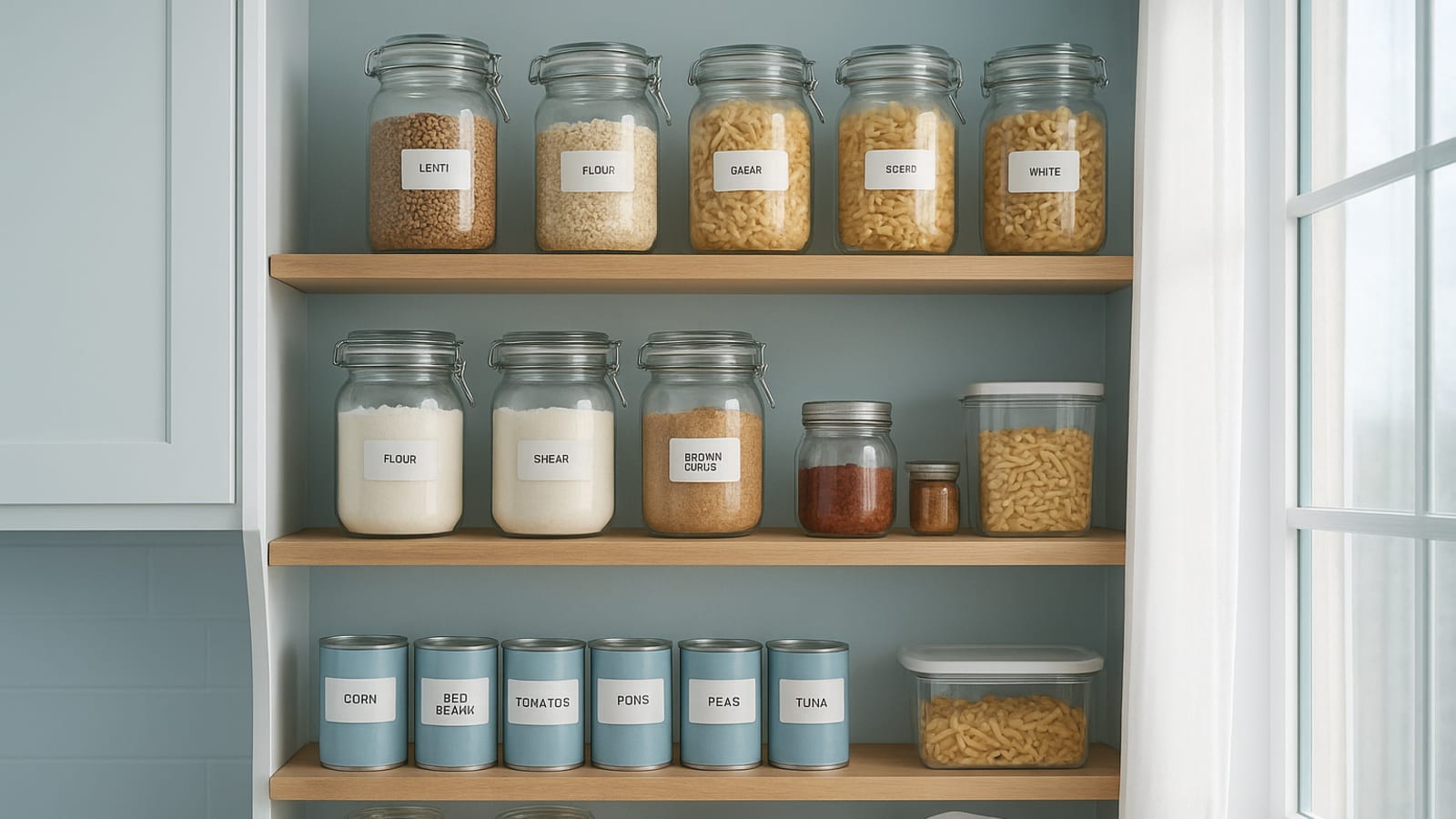
You stare at the open refrigerator between school pickup and dinner. Half a bag of wilted spinach sits behind the mustard. A tub of sour cream hides in the back, past its prime. You threw away thirty dollars of groceries last week. This week looks the same. Food prices keep climbing, and that money drains your wallet. You need a practical cut weekly grocery waste strategy to stop throwing away cash.
Most families buy more food than they eat. Small amounts of waste add up over the month. We call this micro-waste. It is the half-used onion that turns mushy, the forgotten yogurt, and the stale crackers. When you add these items together, you lose hundreds of dollars a year. You work too hard for your money to let it spoil on a shelf. A simple routine can fix this problem without taking up your entire weekend.
30-Second Answer
To cut weekly grocery waste, adopt a pantry inventory rotation system using the FIFO method (First In, First Out). Put new groceries behind older items so you use what you already own before buying more. This habit stops hidden micro-waste, slashes your grocery bill, and keeps your kitchen organized.
Quick Reference Table
Here are the core facts you need to know about managing your kitchen inventory and stopping food waste:
- Core Method: First In, First Out (FIFO) storage for all shelves and the fridge.
- Target: Micro-waste like half-used produce and forgotten canned goods.
- Time Investment: Ten minutes per week during your regular kitchen cleanup.
- Primary Benefit: Lower grocery bills and less time spent wondering what to cook for dinner.
- Budget Tools: Simple paper lists, dry-erase boards, or free consumer budgeting templates from sources like the Consumer Financial Protection Bureau tools.
When to Act Now
You should set up a pantry inventory rotation system right away if your grocery budget feels tight. Food costs are high, and every dollar matters. Take action during these specific moments:
- When you unpack heavy grocery bags on Sunday afternoon. Put new items behind old ones immediately.
- When you buy items in bulk at warehouse stores. If you do not rotate bulk buys, half of them will expire before your family can eat them.
- When your pantry shelves are so full that you buy duplicate items because you forgot what you had.
- When you want to use a reliable lower grocery bill meal planning approach that relies on ingredients already sitting in your cupboards.
When to Wait
Do not try to overhaul your entire kitchen during a busy weekday morning or right before you leave for work. Rushing leads to frustration. Wait until you have a calm moment. Skip heavy kitchen reorganization if:
- You are dealing with a chaotic family schedule and have less than ten spare minutes. Wait until after bedtime or a quiet weekend morning.
- Your refrigerator is completely packed and needs a deep clean first. Clear out the spoiled food before you try to set up an inventory system.
- You feel overwhelmed by meal planning. Start with just one shelf, such as your canned goods, before moving on to the refrigerator and freezer.
Tools & Resources
You do not need expensive apps to run a good kitchen inventory. Keep things simple with basic tools that fit your daily routine:
- A magnetic whiteboard on your refrigerator to track items that need to be used soon.
- A simple paper notepad kept on the kitchen counter for quick grocery lists.
- Consumer protection and household management guidance, such as consumer advice from the Federal Trade Commission consumer advice, to help manage family spending plans.
- You can also explore more Practical Meal Prep & Budget Grocery Planning tips to help organize your weekly routine.
Frequently Asked Questions
What is the easiest way to start rotating my pantry?
Start by moving older canned goods and boxed items to the front of your shelves. When you put away new groceries, place them behind the older items. This forces you to grab the older food first when you cook.
How do I stop throwing away fresh produce?
Store your fruits and vegetables where you can actually see them. Do not hide them in opaque crisper drawers if you tend to forget them. Wash and chop sturdy vegetables right when you get home so they are ready for quick weeknight meals.
Does this system really save money?
Yes. When you use what you already own, you buy fewer duplicate items at the store. This habit stops micro-waste and keeps your grocery spending under control every single week.
Conclusion
Managing your kitchen does not require a complete lifestyle change. By using a simple inventory rotation and focusing on what you already own, you can stop food waste at home and keep extra cash in your pocket. Take ten minutes this weekend to organize one shelf. You will see an immediate difference in your kitchen and your grocery budget.
Editorial note
USA Takes Editorial Team reviews this guide for clarity, practical usefulness, and links to public-interest sources. It is general information, not professional advice.
Helpful sources
📋 SEARCH DESCRIPTION — Copy & paste this into the Blogger Search Description field:
Use a cut weekly grocery waste strategy and pantry inventory rotation system to stop food waste at home. Save money on groceries and start today.
Character count: 145 / 150 • Primary keyword: cut weekly grocery waste strategy
Comments
Post a Comment
💡 You don't need an account! Select "Name/URL" or "Anonymous" from the dropdown to post.